Lettuce
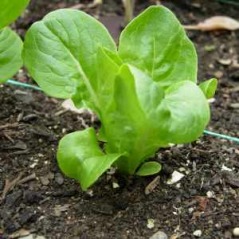
• Hundreds of lettuce varieties
o Often divided into categories such as Butterhead, Romaine, Crisphead, and looseleaf varieties
o Loose leaf- easiest to grow, more heat tolerant.
o Mesclun- quick growing mixture of lettuce varieties combined with other leafy greens and herbs
• Lettuce appreciates a rich soil high in nitrogen so add plenty of organic material
• Cool weather crop
• Believed to be native to the Mediterranean.
• Member of the sunflower family
• Second most popularly vegetable
• Americans eat more than 30 lb of lettuce a year, which is five times more than in the early 1900s.
• Romaine gets its name from the Romans who believed it had healing properties.
• Iceberg lettuce was called “Crisphead” until the 1920’s, renamed when California began transporting large quantities under mounts of ice to keep it cool, renaming it Iceberg.
• When compared to iceburg lettuce, romaine provides more than twice the amount of folate (a b vitamin helps fight heard disease and stroke) than iceberg lettuce. It also has potassium, fiber, and Vitamin. A and C.
• Darker leaves provide more nutrition than the light green or yellow
Basil
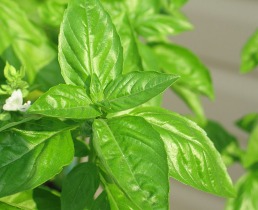
• Described by Webster as being of the mint family
• Botanical name is Ocimium Basilicum. Native of India, south Asia, the middle east and has been grown for thousands of years in the Mediterranean
• Numerous rituals and beliefs associated with basil.
• The French call it “herb royal”.
• In Italy it’s a sign of love, romance, and fine dining.
• Jewish folklore suggests its strength while fasting
• It was said basil was found on Christs tomb after his resurrection.
• Greek orthodox use basil to prepare holy water and pots of basil are placed below church alters
• In Europe and India they place basil in the hands of the dead to ensure a safe journey.
• The Egyptians and Grecians believe it will open the gates of heaven for a person passing on.
• Annual herb with a spicy clove-like fragrance and flavor.
• Many varieties including: sweet basil, bush basil, dark opal basil, lemon basil, holy basil, purple ruffle basil, etc.
• Has been known for many years as an herbal remedy for diseases of the brain, heart, lungs, kidneys, and bladder.
• Aid for digestive and nervous system.
• Infused in tea for indigestion
• Basil tea inhaled to relieve cold symptoms,
• It has uplifting, energizing, anti-depressant properties.
• Dried leaves used to relieve headaches and colds
• Used as insect repellent
• Can be used to relieve anxiety, concentration, indigestions, respiratory problems, tight coughs, asthma, nervous headaches, migraines, muscle tension, nerve pain, memory loss, insomnia, infection, colds, sore throats, etc.
Caring For Your Plants
• Find a well (sun) lit area for your garden such as a windowsill or countertop near a window
• Water daily- you want the soil to be damp not wet. Be careful not to over water!
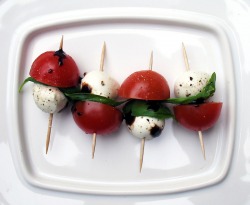
• Use basil for cooking- in salads, sandwiches, etc.
• Eat lettuce at leisure.
• ENJOY
